EMDR Therapy Advantages

EMDR Therapy Advantages include improved emotional processing, reduced trauma symptoms, and enhanced psychological resilience through structured treatment methods.
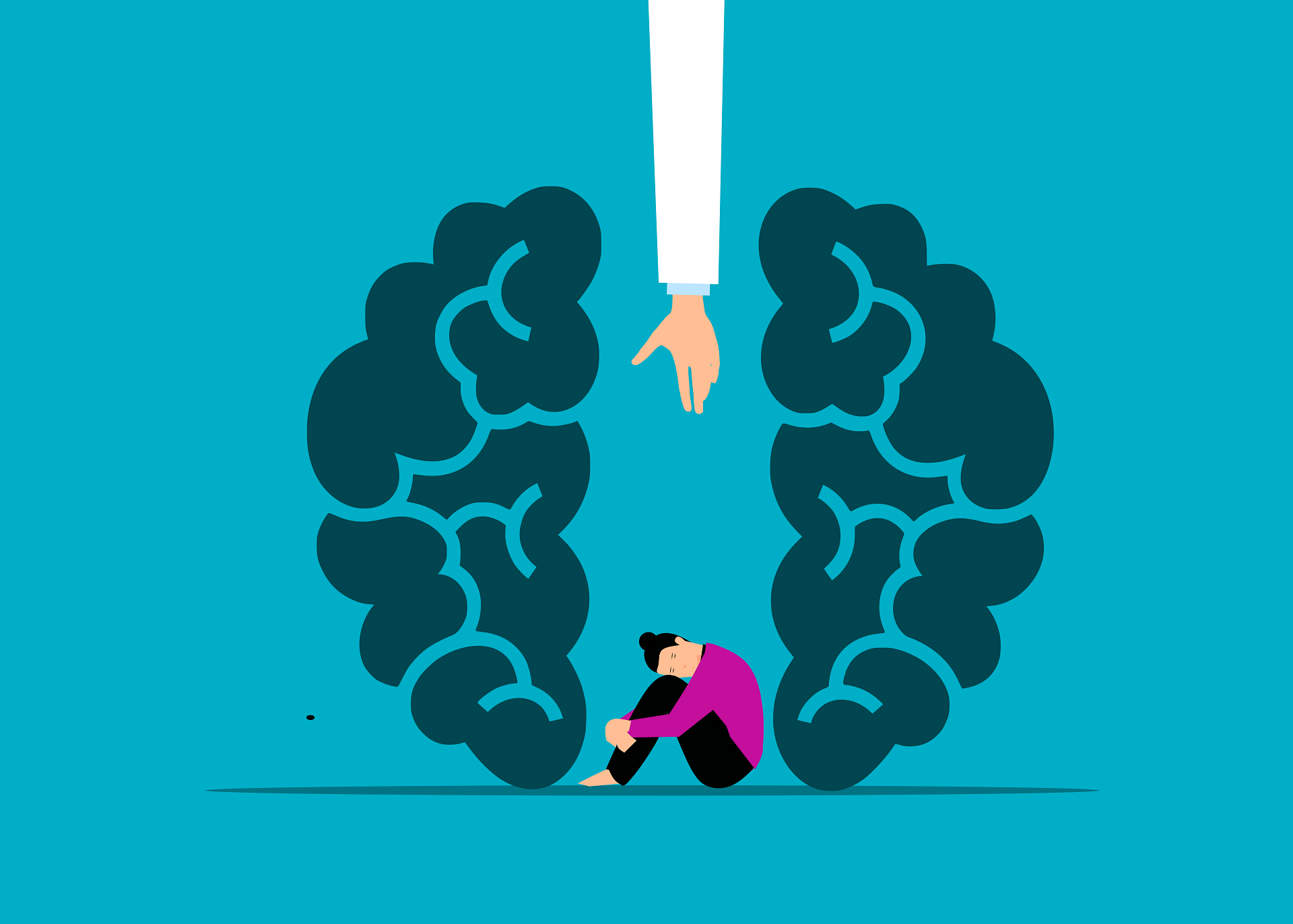
EMDR Therapy Positive Outcomes

Less Pressure to Verbalize Every Detail

EMDR does not require clients to recount traumatic events in exhaustive detail to be effective. This can feel safer and more tolerable for people who struggle with prolonged exposure to upsetting narratives. The structured sets of bilateral stimulation keep attention anchored, which can lessen overwhelm while processing. As a result, engagement and continuity in treatment may improve.

Accelerated Reprocessing of Distress

EMDR can help the brain reprocess traumatic memories more efficiently, reducing the emotional charge attached to them. Clients often report relief emerging in fewer sessions compared to some talk therapies, depending on individual circumstances. By targeting past memories, present triggers, and future templates, it creates a cohesive path toward change. Many find they can revisit once-upsetting situations with greater calm and clarity.

Symptom Reduction That Extends to Daily Life

Gains made in EMDR often generalize beyond the therapy room to real-world situations. People frequently notice fewer intrusive memories, improved sleep, and a calmer baseline when confronted with reminders. Because it targets root memory networks, shifts in beliefs and body responses can cascade into everyday habits. This holistic impact supports confidence and resilience over time.

Clear Protocol Backed by Growing Research

EMDR follows an eight-phase protocol that provides predictability and focus throughout treatment. The approach has accumulated a substantial evidence base for trauma-related conditions, with expanding study in additional areas. Its collaborative preparation phase emphasizes stabilization skills, helping clients build resources before deeper work. This balance of structure and flexibility supports both safety and progress.

EMDR (Eye Movement Desensitization and Reprocessing) is evidence-based for PTSD and helps reduce distress by reprocessing traumatic memories without requiring detailed retelling. It often works in fewer sessions than traditional talk therapy, reduces triggers and negative self-beliefs, lowers physiological arousal, can be integrated with other treatments, and is adaptable for adults and children.

Many people notice relief within a few sessions. Single-incident trauma may resolve in about 6–12 sessions, while complex or long-term trauma can take longer. Sessions typically last 60–90 minutes. When treatment is completed, gains are usually durable; occasional booster sessions may help maintain progress.

EMDR is well-suited for PTSD and distressing memories and is also used for anxiety, phobias, grief, and chronic pain (with growing but mixed evidence beyond PTSD). It’s generally safe when provided by a trained clinician. Temporary side effects can include heightened emotions, vivid dreams, and fatigue. People with acute instability (for example, active psychosis, severe dissociation, or recent severe substance use) may need stabilization before starting EMDR; a clinician will assess readiness and tailor preparation.