EMDR Therapy Effectiveness Results

EMDR Therapy Effectiveness Results highlight its proven success in treating trauma, anxiety, and stress-related conditions.
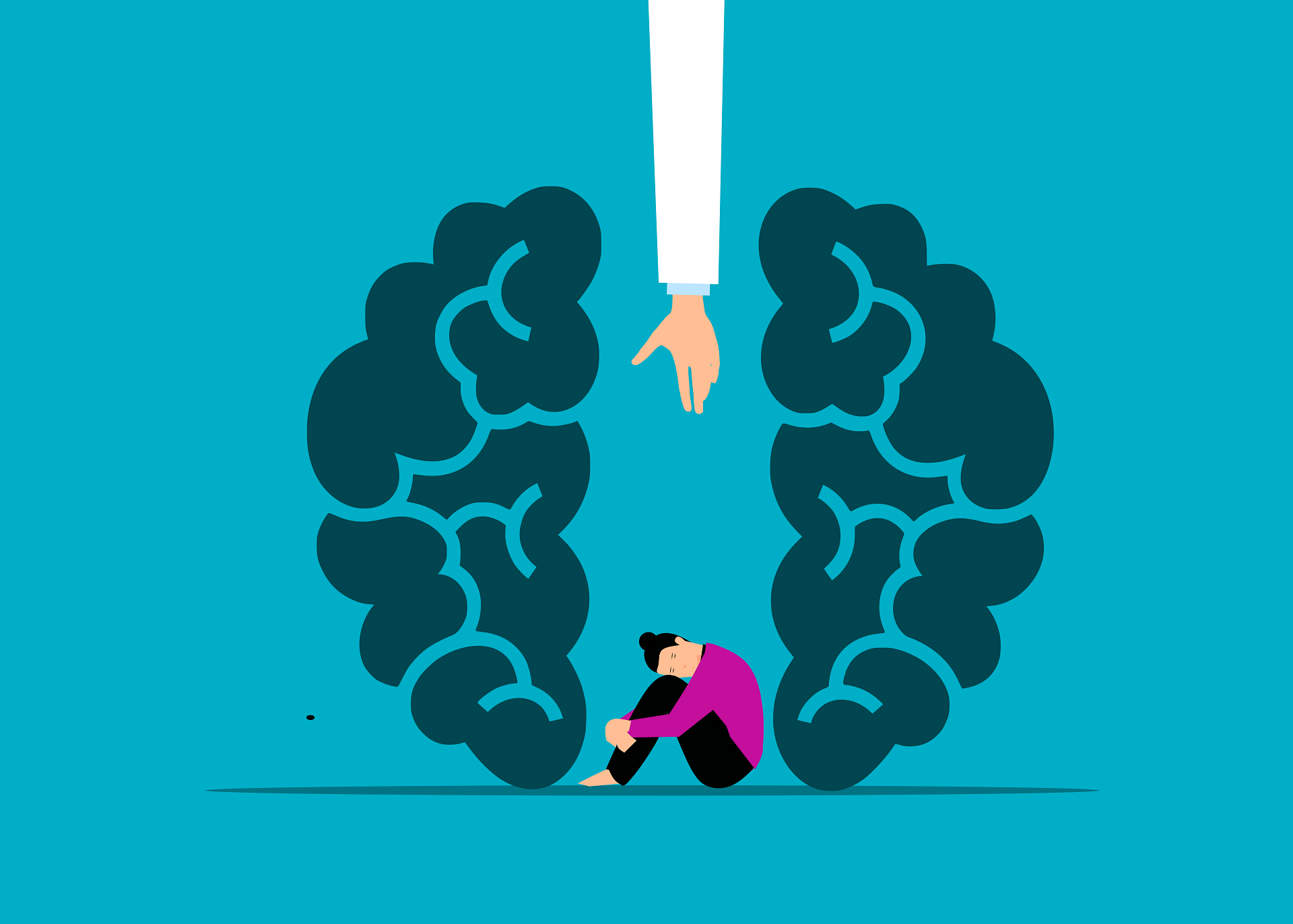
EMDR Therapy Healing Benefits

Comparative Effectiveness and Integration

In head-to-head research, EMDR shows comparable or superior outcomes for trauma-related distress relative to several established interventions. It can be integrated with stabilization skills and psychoeducation to support readiness and retention. Clinicians also report strong client acceptability and, in some settings, lower dropout rates that enhance overall effectiveness.

Durability of Treatment Gains

Improvements achieved with EMDR commonly persist for months after treatment ends. Many participants maintain reduced symptom severity without the need for booster sessions, indicating stable consolidation of change. Long-term follow-ups frequently show lower relapse compared to pretreatment baselines.

Functional Outcomes Beyond Symptom Scores

Beyond standardized measures, EMDR is linked with better daily functioning, including improved sleep, focus, and relationship engagement. People often describe increased confidence when facing previously overwhelming triggers. Quality of life and work performance gains frequently accompany clinical improvements.

Symptom Reduction and Speed of Change

EMDR often leads to noticeable decreases in distress, avoidance, and hyperarousal within a relatively brief series of sessions. Clients frequently report fewer intrusive memories and greater emotional steadiness between appointments. Controlled studies suggest that relief can begin early and consolidate across subsequent sessions.

Meta-analyses of randomized controlled trials show EMDR significantly reduces PTSD symptoms, with outcomes comparable to trauma-focused CBT. Major guidelines (e.g., WHO, APA, VA/DoD) recommend EMDR for PTSD, though individual results vary.

For single-incident trauma, many people notice meaningful relief within 3–6 sessions after preparation; complex or long-standing trauma may take 12+ sessions. Progress depends on your history, goals, therapist expertise, and session frequency.

Follow-up studies indicate many clients maintain gains months to years after treatment, sometimes with booster sessions. Evidence is strongest for PTSD, with growing support for anxiety, phobias, depression, complicated grief, and pain, though results vary by condition.