EMDR Therapy Recovery Benefits

EMDR Therapy Recovery Benefits support individuals in overcoming trauma and rebuilding emotional strength.
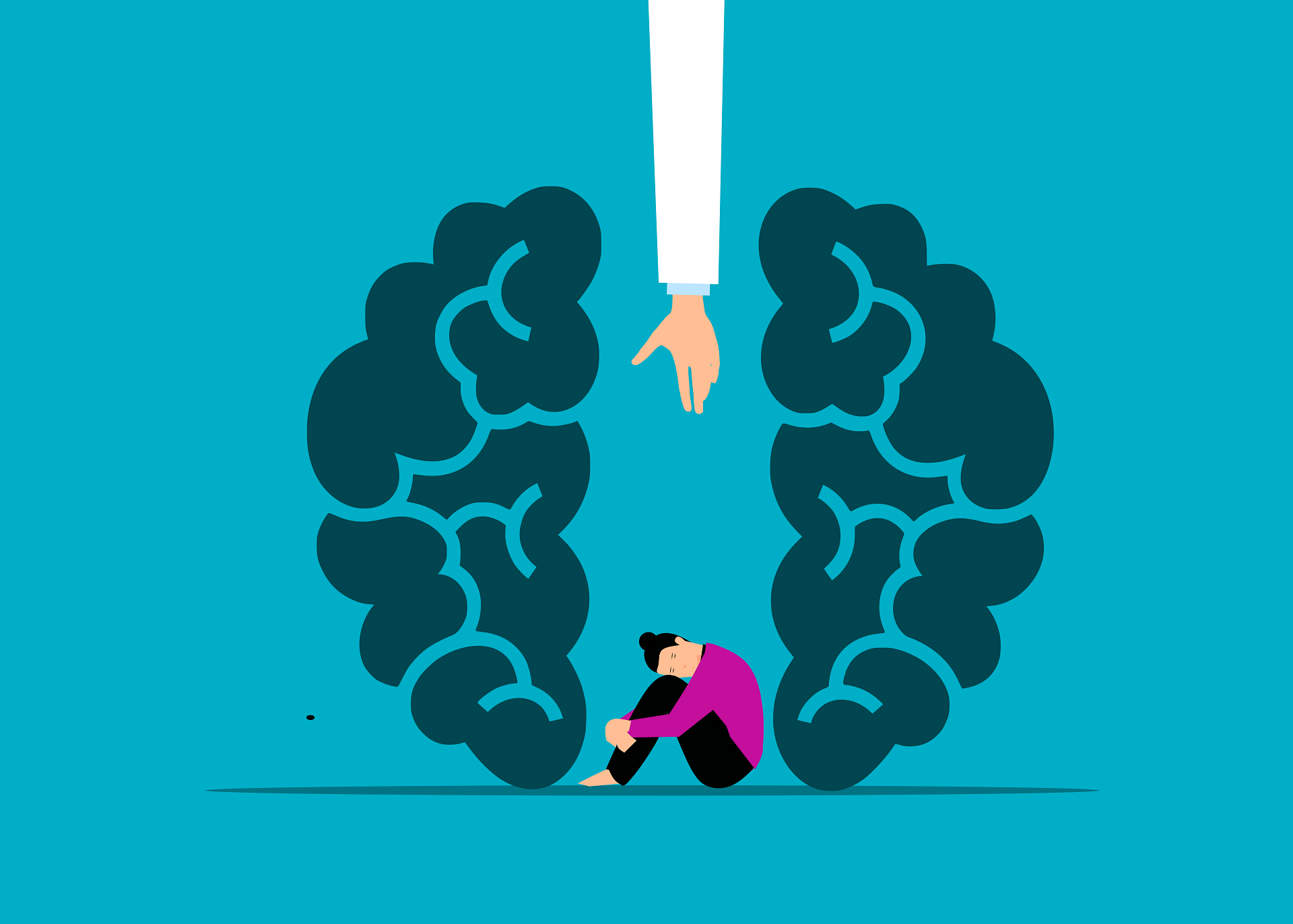
EMDR Therapy Clinical Benefits

Accelerated Relief from Distressing Memories

EMDR helps the brain reprocess overwhelming experiences so they feel less immediate and disruptive. As memories are linked with healthier information, their emotional charge can soften and triggers may occur less often. This reduction in intensity supports steadier progress in recovery.

Rewriting Negative Beliefs into Adaptive Perspectives

EMDR targets the negative beliefs that tend to accompany painful memories, such as feelings of helplessness or shame. As processing unfolds, those beliefs can give way to more balanced, self-supportive perspectives. This cognitive change reinforces resilience and promotes healthier choices.

Lasting Functional Gains in Daily Life

By easing symptom intensity and building coping skills, EMDR can free up energy for work, relationships, and self-care. Many people report better sleep, improved focus, and greater confidence in daily routines. These practical gains help recovery feel sustainable beyond the therapy room.

Calmer Body Responses and Emotional Regulation

Through structured sets of bilateral stimulation and guided attention, EMDR can reduce nervous-system hyperarousal. People often notice steadier breathing, lowered startle responses, and more capacity to stay present during stress. These shifts make it easier to navigate challenging moments without escalating.

EMDR helps the brain reprocess traumatic memories, reducing PTSD symptoms, anxiety, and depression; lowers reactivity to triggers; improves sleep, focus, and emotional regulation; strengthens a sense of safety and self-efficacy; and can create lasting relief without extensive retelling of the trauma.

Timelines vary, but many people notice relief within 3–6 targeted sessions for single-incident trauma, while complex or long-term trauma may take several months. Progress is reflected in lower distress ratings, fewer triggers, and better daily functioning between sessions.

For trauma-related conditions, research indicates EMDR can achieve symptom reduction comparable to or faster than some talk therapies by engaging memory networks and body-based responses. The best fit depends on your history and goals; many clinicians blend EMDR with CBT, skills training, and stabilization for durable recovery.